
Year-Round Swimming Without Seasonal Pool Closures
Heat Pump Installations in Jupiter for maintaining comfortable water temperatures during cooler months without high energy costs
Florida homeowners typically swim eight to ten months per year, but water temperatures drop below comfortable levels from December through February without supplemental heating. Heat pumps extract thermal energy from ambient air and transfer it to pool water through a refrigerant cycle, delivering consistent temperature control at a fraction of the operating cost of gas heaters. Eagle Pool Services installs these systems for Jupiter pools where extended swim seasons justify the equipment investment and where overnight temperatures remain above fifty degrees, the threshold at which heat pump efficiency drops significantly.
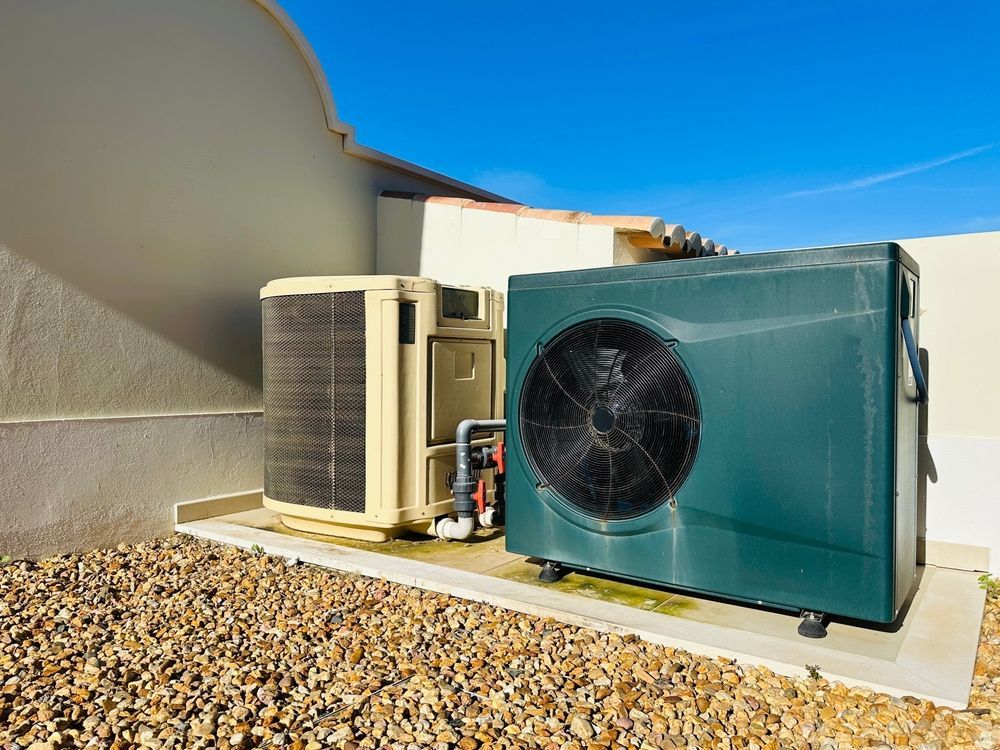
The installation process involves positioning the heat pump where it receives adequate airflow and connecting it to your pool's return line after the filter. Unlike gas heaters that burn fuel to generate heat rapidly, heat pumps work gradually by circulating water through a heat exchanger coil while a compressor elevates the refrigerant temperature. This method uses less energy because it moves existing heat rather than creating it, making heat pumps ideal for maintaining a steady pool temperature rather than raising it quickly for occasional use.
Request an on-site evaluation to assess electrical service capacity, equipment placement options, and expected runtime based on your desired water temperature.
How Heat Pumps Address Temperature Fluctuation
Heat pump sizing depends on your pool's surface area and the temperature difference you want to maintain between ambient air and water, measured in BTUs per hour. Proper installation in Jupiter requires accounting for coastal humidity levels, which actually improve heat pump performance compared to drier climates because the units extract heat more efficiently from moisture-laden air. The system mounts on a concrete pad with clearance on all sides for airflow, and electrical connections must match the unit's voltage and amperage requirements, typically two hundred forty volts for residential models.
Once operational, your pool maintains the temperature you set on the digital controller, typically between eighty and eighty-four degrees for comfortable swimming. You'll notice the heater runs longer on windy days or after cold fronts because surface heat loss increases, but the system compensates automatically by extending its cycle time. Operating costs remain predictable since heat pumps draw consistent wattage rather than burning variable amounts of fuel, and most units achieve a coefficient of performance above five, meaning they transfer five units of heat for every unit of electricity consumed.
The equipment includes titanium heat exchangers that resist corrosion in chlorinated or saltwater pools, and scroll compressors that operate more quietly than older reciprocating models. Refrigerant lines must be properly insulated and charged to manufacturer specifications to prevent efficiency loss, which is why professional installation matters more for heat pumps than simpler equipment like variable-speed pumps or LED lighting.
Property owners evaluating heat pump options want clarity on performance expectations and how these systems compare to alternatives.
Answers to Frequent Service Questions
What determines how quickly the heat pump raises water temperature initially?
BTU output and water volume create the baseline calculation, but wind exposure, overnight temperatures, and whether you use a pool cover dramatically affect heating speed. An uncovered pool in Jupiter loses most of its heat overnight through evaporation.
How does a heat pump compare to a gas heater for Florida conditions?
Gas heaters deliver faster temperature increases and work regardless of air temperature, but they cost three to five times more to operate per hour. Heat pumps suit Jupiter's climate because ambient temperatures remain high enough for efficient operation most of the year.
Why do some heat pumps include titanium components while others use copper?
Titanium resists corrosion from chlorine and salt far better than copper, which degrades over time in chemically treated water. Saltwater pool systems particularly benefit from titanium heat exchangers to prevent premature equipment failure.
What happens to efficiency when overnight temperatures drop into the fifties?
Heat pump performance decreases significantly below fifty-five degrees, and most units shut down automatically below forty-five degrees to prevent compressor damage. During Jupiter's brief cold snaps, you may need to lower your target temperature or accept longer runtime.
How often does the system require professional maintenance beyond filter cleaning?
Annual refrigerant pressure checks and coil inspections prevent efficiency loss, and the evaporator coil benefits from periodic washing to remove pollen and debris that restrict airflow. Most heat pumps operate reliably for ten to fifteen years with minimal intervention.
Eagle Pool Services provides complete heat pump installation including electrical hookup, plumbing integration, and startup calibration. Arrange a consultation to review equipment options and calculate projected operating costs based on your pool size and target swim season.